The Southeast still leads the nation in population growth, job creation and business investment. But at ICSC Southeast last week, our panel made the case that the region’s biggest retail opportunities aren’t always in Atlanta, Nashville, Charlotte or Tampa.
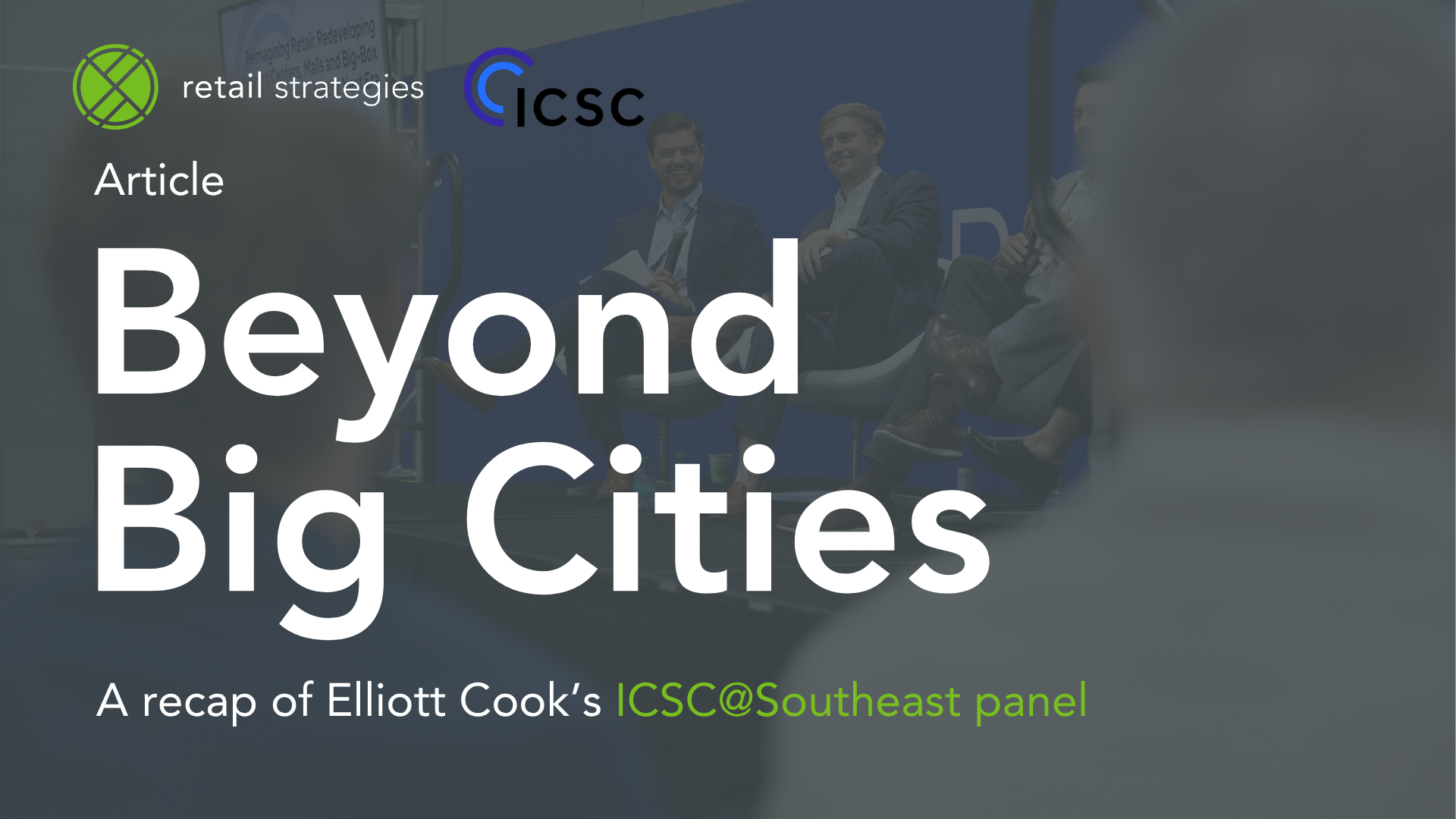
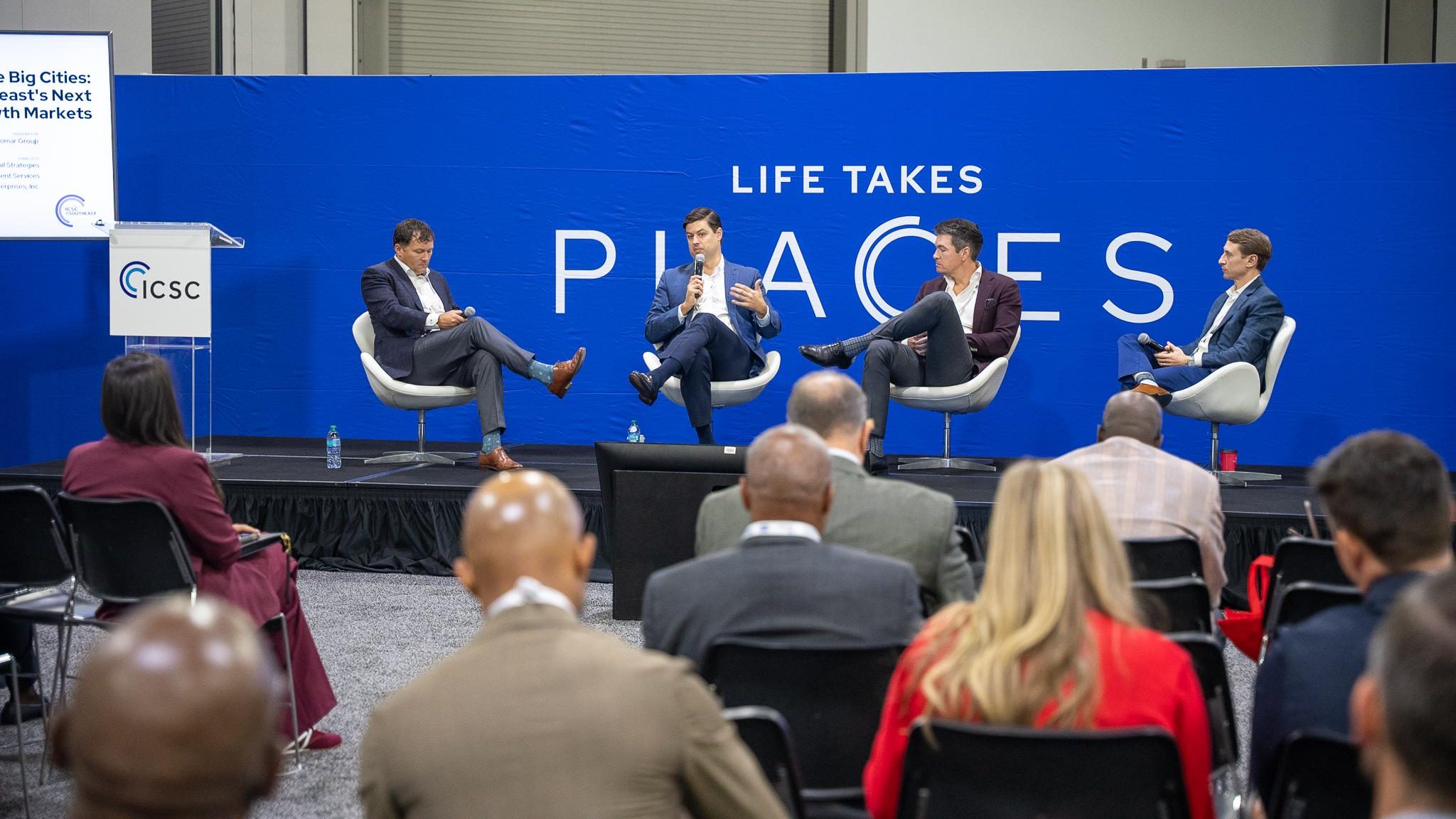
Retail Strategies Director of Real Estate, Elliott Cook, joined the session “Beyond the Big Cities: Winning in the Southeast’s Next Generation of Growth Markets,” which explored how shifting demographics, housing growth, infrastructure investment and employer expansion are creating real opportunity in secondary and tertiary markets.
The panel was made up of leaders in their fields, including brokers, principals and shopping center owners. Together they acknowledged the challenges that continue to make retail development difficult. But they also pointed to real momentum: funds and family-owned real estate companies are actively looking to invest in the Sunbelt’s growing markets.
Why secondary markets and why now?
Retailers are struggling to find sites in traditional markets. Cook pointed to rising rents and elevated property costs, along with retailers being out-positioned by competitors or restricted from the sites they want.
But cost pressure in the big metros is only part of the story. Cook noted that the current interest follows a multi-year trend in secondary and tertiary markets, where three conditions keep showing up together:
- Healthy population growth
- Available, well-priced development land
- Local governments that are amenable to new retail development
In other words, these markets aren’t just a cheaper fallback. Many have been building the fundamentals retailers need for years.
Who’s expanding into these markets
According to Cook, we’re still in the middle of the chicken and coffee wars, and those concepts continue to drive a large share of new deals. But the expansion activity reaches well beyond them. Categories he highlighted include:
- Quick-service restaurants beyond chicken and coffee, including Chipotle, which has introduced a new 1,700-square-foot prototype
- Convenience stores
- Junior boxes, such as Burlington and TJX concepts
- Grocery-anchored shopping centers
Smaller prototypes and flexible formats make it easier for brands to pencil out a deal in a market that might not have supported their traditional footprint a few years ago.




What winning markets have in common
The panel named several parts of the region with momentum: the Carolinas, SEC college towns, Huntsville, and the Florida panhandle.
Cook said the markets that are growing share a consistent profile:
- A solid employment base
- Growing households
- Rising median incomes
- A local government that is invested in retail development
That last point is the one communities control most directly. Retailers and developers notice when a city has done its homework, knows its data and is ready to be a partner in getting a project done.
What this means for communities
The takeaway for cities and towns across the Southeast is encouraging: the demand is there, and retailers are actively looking past the largest metros. The communities that win those deals will be the ones that pair strong fundamentals with a proactive, prepared approach to recruitment.
That’s the work Retail Strategies does every day. Through our retail recruitment partnerships and the Retail Academy, we help community leaders understand their market, build relationships with brokers and developers, and position themselves to land the retailers and restaurants their residents want.
About the panel

Moderated by Ryan McArdle, Partner at The Palomar Group, the panel brought together the tenant, landlord, investment sales and economic development perspectives:
- Elliott Cook, Director of Real Estate, Retail Strategies, who helps cities across the country recruit retailers and restaurants and leads the Retail Academy
- Pierce Mayson, Senior Vice President, Matthews Real Estate Investment Services, who specializes in shopping center sales and has completed more than $3 billion in transactions
- Matthew Oppenheimer, President, Halpern Enterprises, an Atlanta-based owner and developer where he represents the third generation of his family in the business
Thank you to ICSC, our moderator Ryan McArdle, and fellow panelists Pierce Mayson and Matthew Oppenheimer for a great conversation.
Need a head start?
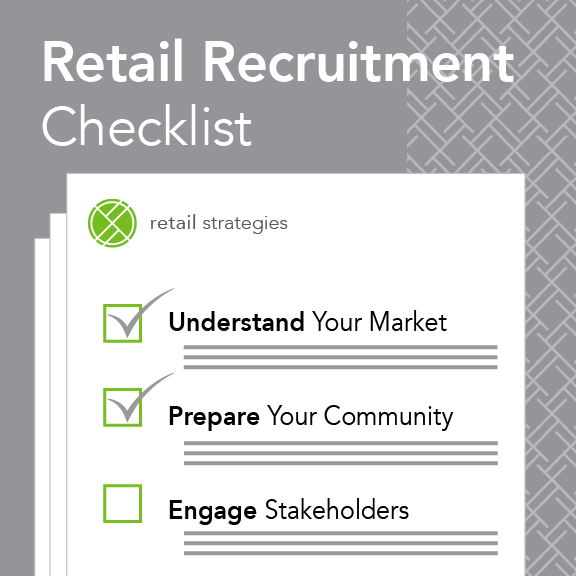
Download this Retail Recruitment Checklist and start building a retail-ready future for your community.