Contents
- Introduction to Retail’s Role in the Service Economy
- Retail Employment by the Numbers
- The Significance of Retail Jobs
- Diversity, Inclusivity, and Flexibility in Retail Employment
- Future-Proofing Retail through Technology and Talent Development
In the realm of the American service economy, the significance of retail jobs, though frequently overlooked, cannot be overstated. With a workforce exceeding 30 million, this sector represents nearly one-tenth of all employment opportunities in U.S., making a substantial contribution to both job availability and economic activity. However, the impact of retail extends beyond mere numerical statistics.
The service sector – jobs such as personal trainers, restaurant workers, accountants, and physicians – has evolved into the cornerstone of the U.S. economy, propelling growth, generating employment, and facilitating trade.

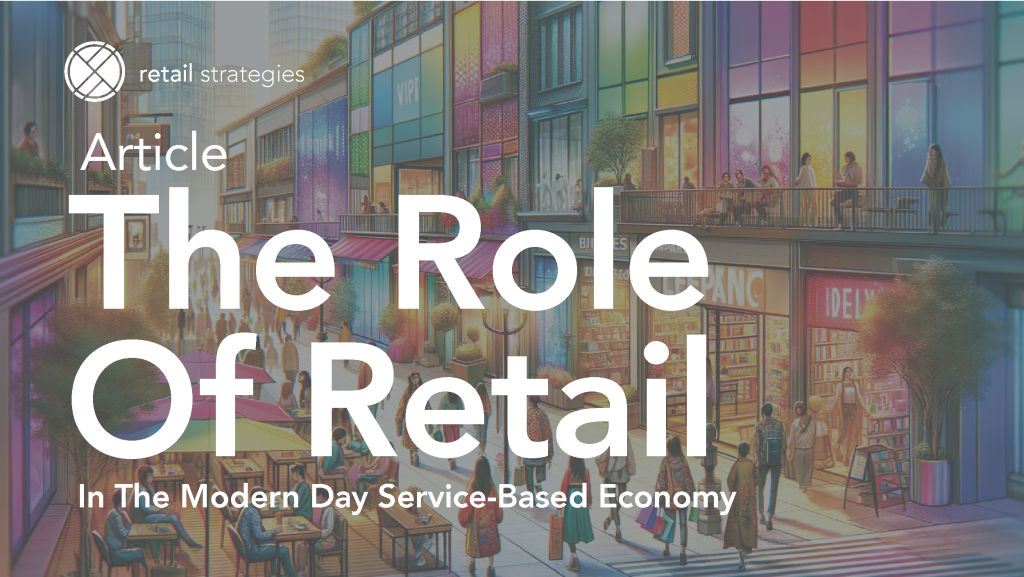
The Role of Retail
By the Numbers
77.6% GDP
83.8% jobs
As of 2021, the service sector constituted a remarkable 77.6% of the U.S. GDP, surpassing the manufacturing sector. Moreover, it stands as the primary source of employment, accounting for 83.8% of all private jobs in the nation.


Role of Retail
The Importance of Retail Jobs
Presently, retail stands as one of the largest private-sector employers in the United States, providing jobs for millions of individuals. Retail positions span a diverse spectrum, encompassing roles such as cashiers, sales associates, store managers, and logistical specialists.
Despite the looming threat of automation in some areas, retail instills essential skills that transcend industry boundaries, including customer service, communication, problem-solving, and teamwork. These transferable skills become invaluable assets applicable to various professions, preparing individuals for the adaptability demanded by the dynamic job market. Additionally, the growing emphasis on sustainability and ethical sourcing necessitates workers with knowledge of responsible supply chains and eco-friendly practices.
Role of Retail
Diversity, Inclusivity, and Flexibility
Within the retail sector, diverse career paths are available, catering to various skill sets and educational backgrounds. Entry-level positions offer valuable on-the-job training, while management roles present leadership opportunities and avenues for career advancement.
For individuals facing barriers to traditional employment, retail offers readily available positions with flexible schedules and on-the-job training. These aspects can be crucial for those juggling childcare, transportation limitations, or re-entering the workforce after an absence.
Furthermore, the retail industry’s flexible scheduling options accommodate individuals seeking work-life balance, rendering it appealing to students, parents, and those pursuing part-time employment.

Role of Retail
Future-Proofing Retail:
Embracing Technology and Talent Development for a Thriving Service Economy
Despite the prevalent discourse on the rise of automation and e-commerce, retail jobs are poised to retain their significant role in the service economy and the evolving workforce. Through the integration of technology, cultivation of transferable skills, and adaptation to shifting consumer demands, the industry can ensure its sustained relevance and continue to provide valuable employment opportunities for future generations. Addressing existing challenges and prioritizing employee development can position retail as a catalyst for successful careers, contributing to a thriving service economy and a well-prepared future workforce.
Does your community incorporate retail into its economic development strategy? The rise of retail in a service-based economy not only provides new jobs to a community but also enhances the quality of life for your citizens. Contact our team to discuss the importance of retail, restaurant, and other service-based businesses in your growth strategy.
Want to continue a conversation?
Reach out to Elliott.

More Articles by Retail Strategies
We maintain an active role as industry experts and thought leaders in the space of retail, real estate, demographics, and community development.
-
Where growth is headed: Economic development and retail expansion in small towns
Retail follows rooftops, and rooftops follow jobs. That order matters for every community working to attract new stores and restaurants, because the strongest retail recruitment story usually starts with an economic development win. When a manufacturer expands, a distribution center breaks ground or a new neighborhood gets approved, retailers notice. The past few months delivered…
-
Smaller boxes, smaller towns: Two retail trends rural and mid-sized communities can use now
Our team spends time in communities all over the country, working with the brokers, developers, and retailers who shape what gets built and where. Those conversations give us a clear view of where national brands are headed. Here’s what stands out right now, and what it means for retail recruitment in small towns. Trend one…
-
How Retail Recruitment Works: From Market Analysis to New Store Openings
For many community leaders, retail recruitment can feel like a mystery. Residents ask why a favorite restaurant isn’t in town. City councils want to see new retail development. Developers are looking for tenants. Yet many communities aren’t sure what actually happens behind the scenes to attract new retailers. The reality is that successful retail recruitment…
-
Retail for Every Season: How Destination Communities Can Build Year-Round Economic Vitality
Tourism Brings Visitors. Retail Creates Staying Power. For destination communities, success is often measured by peak season performance. Hotels fill up. Restaurants stay busy. Downtown sidewalks are crowded. Sales tax collections have risen. But what happens when the season ends? That question was the focus of Retail Strategies’ recent webinar, Retail for Every Season: Building Year-Round Vitality in…